
Shed Base Installation Dublin | The Ultimate Foundation Guide
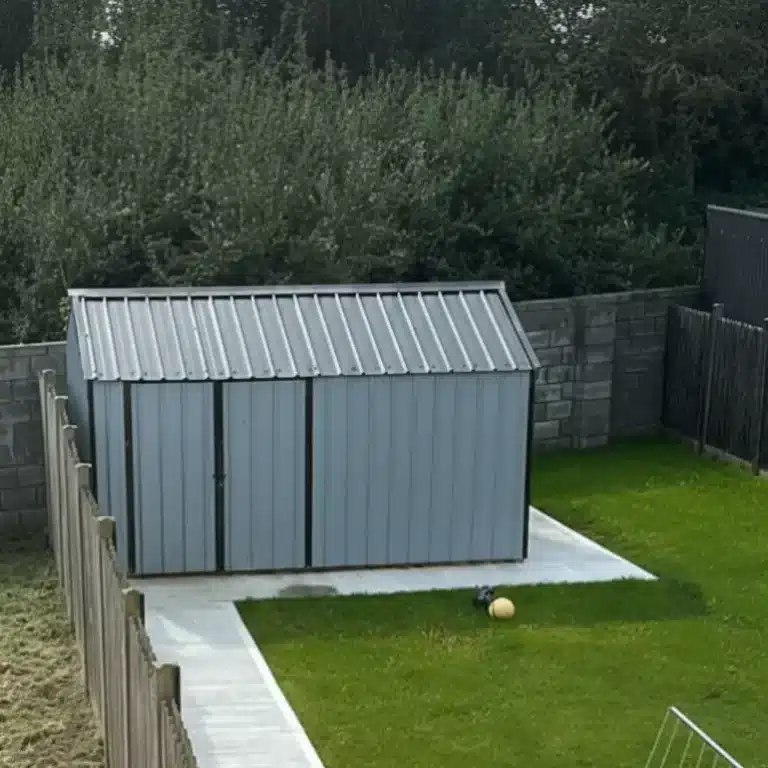
In a Nutshell: A sturdy shed base is the only thing that’ll keep your timber shed from rotting out and warping. When you’re in Dublin and you get a lot of rain, the three best foundation options for a garden building are Concrete Slabs (great for most gardens), Poured Concrete Pads (perfect for heavy-duty offices and workshops), and Gravel with Timber Frames (offers great drainage). Most installs take a day or two and are a must if you want your shed to last in Ireland.
If you’re laying down a big wad of cash on a new garden building, it’s your shed base installation in Dublin that’s going to decide whether the whole thing feels just right for years… or a right old nuisance. Now a shed might be beautifully constructed, but if it’s sitting on soggy ground, holding a layer of water underneath, or just not level at all, it can still fall apart early. The good news is that with the right base and some clean installation work, you can get a stable, dry, and long-lasting foundation that keeps doors from sticking and timber protected from the elements.
This guide’s a reference tool, so you can breeze through it all in one go or leap straight to the base that suits your garden best.
Why Shed Bases Matter in the Dublin Weather
We all know that Dublin weather likes to give us a hard time. If you just slung your shed down on grass or soil without doing anything, it’ll probably end up sitting on a permanently soggy layer. And even if the floor looks fine at first, moisture can start building up underneath, causing all sorts of problems that only come to light later.
-
Keeping moisture out: stop the floor structure and joists from getting damp from the ground.
-
Keeping the thing upright: prevent the building from settling or twisting over time.
-
Airflow: really important for stopping condensation, stinky mould, and those soft, squishy floor areas.
-
Door alignment: a bit of slope and your doors are sticking, gaps are appearing, and draughts are blowing in.
In Dublin, the goal is to get your base so that it’s not just flat – it’s flat, well-drained, and properly supported. That combination is what’ll keep your shed feeling solid through the wettest seasons.
Before You Pick a Base: Quick Checklist in 5 Minutes
Before you choose a base type, stop and think about the site properly. That five minutes now will save you from choosing the wrong foundation.
-
What are you going to use the shed for? Storage is light duty, but a workshop or garden office needs a lot more support.
-
Is the ground already level? If it’s not, you might need to dig the whole site over and re-level.
-
Drainage: does water pool after a downpour, or does it just disappear?
-
Access: are materials going to get in easily (slabs, concrete, gravel)?
-
Soil type: soft ground and clay are a nightmare compared to firm, free-draining soil.
One golden rule to keep in mind: if you’re not 100% sure whether the ground is stable enough, err on the side of safety and go for stability. A base is hard to correct once the shed is on top.
Choosing the Right Shed Base Installation Method
For most gardens in Dublin, there are three solid options. Each one can work great when installed properly. The best choice depends on your shed type, your ground, and how permanent you want the foundation to be.
Option 1: Concrete Slabs
Concrete slabs are the top pick for your run-of-the-mill timber sheds. They give a strong, tidy platform and can be slung together without having to pour a full slab of concrete.
Best for: standard garden sheds, medium loads, a clean finish and predictable leveling.
Key advantages:
-
Rock-solid support when they’re laid correctly.
-
Neat, durable surface that stays stable year after year.
-
Often quicker than a poured pad, depending on site conditions.
What makes them excellent or rubbish:
-
Getting the base right: a proper sub-base (compacted and level) is a must.
-
Drainage thinking: you don’t want water getting trapped under the slabs.
-
Level accuracy: even small errors can turn into big headaches if doors don’t sit right.
Option 2: Poured Concrete Pad
A poured concrete pad is the “heavy-duty” choice. If you’ve got a shed that’s going to be used for a workshop, or for storing heavy equipment or even a garden office, this is the reassuring solution to go for.
Best for: garden offices, workshops, heavier buildings and long-term, permanent setups.
Key advantages:
-
Maximum strength and long-term stability.
-
Excellent load distribution for heavy use.
-
Creates a single, consistent level plane.
What to watch:
-
Get the dimensions right: the pad should suit the building footprint and support points.
-
Finish and level: it must be nice and smooth and properly level, not just nearly there.
-
Curing time: concrete needs the right conditions and time to set properly.
That poured pad is a bigger commitment, but it feels like it’s built to last.
Option 3: Gravel & Timber Frame
If you want a strong drainage system and a cost-effective solution, a gravel base with a timber frame can be a smart decision. Done right, it will provide a stable base and move water away from the shed with ease.
Best for: shed bases that need free-draining foundations, gardens with damp patches, and projects where drainage takes top priority.
Key advantages:
-
Fantastic water movement, which is especially useful in Dublin’s wet weather.
-
Flexible: can work on slightly uneven gardens if done properly.
-
Often faster and less of a disruption than full concrete work, which is a big plus for many homeowners.
What makes a gravel & timber frame base such a success:
-
A proper frame/edging to keep the gravel in place.
-
Getting the compaction right so it doesn’t sink over time.
-
Choosing the right type of gravel (something stable and compactable, rather than loose decorative stone).
This option can sometimes get overlooked. The drainage benefits can be huge – especially in gardens that stay waterlogged long after it rains.
Step-by-Step: What a Proper Shed Base Installation Looks Like
No matter which method you choose for your shed base, the best installations follow the same basic rules. You can change the details, but the overall structure of the job stays consistent.
-
Mark out the base accurately, taking into account any clearance that may be needed.
-
Dig out the topsoil and create a good solid foundation depth.
-
Get the sub-base sorted (this is usually compacted material that stops the base from sinking) .
-
Level carefully with proper checks across multiple points.
-
Install your chosen base (it might be slabs, a poured pad, or gravel) with a bit of precision.
-
Final check: make sure the level is spot on, the edges are good, and the drainage behaves as it should before putting the shed on top.
A good rule of thumb is: level is not just about feeling it. You need to measure it, check it, re-check and verify across the full base – not just at one corner.
Common Mistakes Dublin Homeowners Make That They Regret Later
-
Putting the shed on grass (it just gets squashed, holds water and shifts with the seasons).
-
Not getting the compaction right (the base then sinks and the shed starts to twist).
-
Failing to sort the drainage (water stands under the base and becomes a long-term problem).
-
Underestimating the base size (un-supported edges cause flex and instability).
-
Rushing the level-checking (doors, windows and panels will start to line up all wrong).
Most shed problems that get blamed on “poor build” or “bad timber are actually foundation issues in disguise. If you get the base right, the shed behaves like it’s supposed to.
Expert Advice for Dublin Homeowners
At ShedBase Dublin, we know that the key to a great shed is getting the ground ready right before the build starts. Whether you live on the Northside or Southside, the principle’s the same – your shed should be built on a foundation that stays stable through the wet weather, the occasional frost and just everyday use.
If you want a shed that just feels like maintenance-free, it’s the foundation where you win the battle. A solid base means fewer adjustments, fewer moisture worries and a shed that still feels right long after the novelty wears off.
Quick Recommendation: Which Base Should You Choose?
-
If you want a reliable, popular all-rounder: Concrete slabs are a good call.
-
If you’re building heavy-duty or a long-term permanent structure: Poured concrete pad is the way to go.
-
If drainage is your major concern and you need some flexibility: **Gravel & timber frame might be the way forward.
Not sure? A quick site visit usually sorts it out pretty quickly – especially if you take drainage and ground firmness into account.
Ready to Get Started?
Browse our full range of Garden Sheds in Dublin and get your project underway today.
Planning a new shed or garden room? Start with a foundation you can trust.
Contact us today
Frequently Asked Questions (Dublin Shed Bases)
Do I need planning permission for a shed base in Dublin?
In most cases, you will not need permission for a shed or its base in Dublin, as long as it’s under 30 square meters and you leave enough garden space around it. But make sure your base doesn’t mess with existing property drainage or breach height limits near boundaries.
How much does shed base installation cost in Dublin?
The price varies depending on the materials you use and the slope of your garden. A gravel and timber frame is generally the most budget-friendly option, while a poured concrete pad for a large garden office is a bit more expensive due to the weight of materials. Get in touch for a specific quote tailored to your local area.
Can I put a shed directly on grass or soil?
Truthfully, we would advise against this. Dublin’s rainfall means the ground stays damp, leading to timber rot, rising damp and subsidence. Without a proper base (like slabs or gravel), your shed floor will eventually sag and cause doors and windows to line up all wrong.
How long does the installation process take?
Most residential projects around places like Dun Laoghaire, Swords or Tallaght can usually be wrapped up in a single day. Now, if you go with a poured concrete pad, you’ll want to allow for an extra couple of days – about 48 hours to be on the safe side – before the shed is safe to put on top. The concrete needs time to “cure” properly.
What makes for the best base for a garden office?
For really heavy-duty garden offices or gyms where you’ve got loads of gear or big furniture, a poured concrete pad or a reinforced slab base is usually the best way to go. This gives you the structural integrity you need to support everything that’s going to be inside.
Create Your Dream Garden with ShedBase Dublin!
Looking to add a durable, stylish garden shed (or a full garden room setup) with the right foundation? Our expert team specialises shed base installation across Dublin – tailored to your space, your needs, and your budget. Whether you need a concrete base, slabs, or a gravel timber frame, we’ll deliver a level, long-lasting finish that keeps your building stable for years.
📞 Call us at 086 458 3274
📧 Email us at [email protected]
Don’t wait – your new shed (and the perfect base) is just a call or click away!